

How Healing Your Gut Can Naturally Support Hormonal Balance, Regular Periods, Better Skin, and Improved Fertility
“What if the root cause of your PCOS isn’t just your ovaries—but your gut?”
Gut & PCOS , for years, women with Polycystic Ovary Syndrome (PCOS) have been told that irregular periods, stubborn weight gain, acne, excessive facial hair, hair fall, and difficulty conceiving are simply part of the condition. Most treatment plans focus on managing symptoms with medications, hormonal pills, or insulin-lowering drugs. While these approaches can be helpful, they often overlook one of the most important players in hormonal health—the gut.
Recent scientific research has revealed that the trillions of microorganisms living inside your digestive system, collectively known as the gut microbiome, play a significant role in regulating hormones, metabolism, inflammation, immunity, and even mental well-being. When the gut is healthy, these microbes work in harmony to support the body’s natural functions. However, when the gut microbiome becomes imbalanced, it can trigger a cascade of events that may worsen PCOS symptoms.
Interestingly, Ayurveda has emphasized the importance of digestive health for thousands of years. It teaches that when Agni (digestive fire) is weak, toxins known as Ama accumulate in the body, disrupting hormonal balance and leading to disease. Modern science and Ayurveda, though using different terminology, are pointing toward the same conclusion: a healthy gut is the foundation of overall health.
If you have PCOS and experience bloating after meals, constipation, acidity, sugar cravings, mood swings, fatigue, or stubborn weight gain, your gut could be silently contributing to your symptoms. Healing your gut isn’t a magic cure for PCOS, but it can become one of the most powerful tools for improving hormonal balance, supporting regular menstrual cycles, reducing inflammation, and enhancing your quality of life.
Let’s understand why.
1. What Is PCOS and Why Is It Becoming So Common?
Polycystic Ovary Syndrome (PCOS) is one of the most common hormonal disorders affecting women of reproductive age. It is estimated that nearly 1 in 10 women worldwide lives with PCOS, and the numbers continue to rise each year.
Despite its name, PCOS is not simply a disease of ovarian cysts. In fact, many women with PCOS do not have ovarian cysts at all. Instead, it is a complex metabolic and hormonal condition that affects multiple systems throughout the body.

Women with PCOS may experience:
- Irregular or absent menstrual periods
- Difficulty losing weight
- Increased abdominal fat
- Acne and oily skin
- Excess facial or body hair (hirsutism)
- Hair thinning or hair fall
- Difficulty conceiving
- Mood swings and anxiety
- Fatigue
- Insulin resistance
- Increased risk of type 2 diabetes
The exact cause of PCOS is still not fully understood, but experts believe it results from a combination of genetics, insulin resistance, chronic low-grade inflammation, hormonal imbalance, environmental factors, lifestyle habits, and gut microbiome imbalance.
Unlike what many people believe, PCOS is not solely an ovarian problem. It is a whole-body condition involving the endocrine system, metabolism, digestive health, and immune function.
Why Is PCOS Increasing So Rapidly?
Several modern lifestyle factors are contributing to the growing prevalence of PCOS:
- Ultra-processed diets: Highly refined foods, sugary beverages, and processed snacks reduce the diversity of beneficial gut bacteria while promoting harmful microbes that increase inflammation.
- Chronic stress: Long-term stress raises cortisol levels, which interferes with blood sugar regulation and reproductive hormones.
- Poor sleep: Sleep deprivation negatively affects insulin sensitivity and hormonal balance.
- Sedentary lifestyle: Lack of physical activity contributes to obesity, insulin resistance, and metabolic dysfunction.
- Environmental toxins: Exposure to endocrine-disrupting chemicals found in plastics, cosmetics, pesticides, and polluted environments may interfere with hormone production.
- Frequent antibiotic use: Although antibiotics save lives, repeated or unnecessary use can significantly reduce beneficial gut bacteria, making it harder for the microbiome to recover.
These factors don’t act independently—they influence each other, with the gut acting as a central hub connecting digestion, immunity, metabolism, and hormonal regulation.
2. Understanding the Gut Microbiome
Your digestive tract is home to an extraordinary ecosystem made up of trillions of microorganisms, including bacteria, fungi, viruses, and other microbes. Together, they form what is known as the gut microbiome.
Think of your gut microbiome as a bustling city. Every microorganism has a specific job to perform. Some help digest food, others produce vitamins, while many protect you from harmful pathogens. When the balance is maintained, this inner ecosystem supports overall health. But when harmful microbes begin to outnumber the beneficial ones—a condition called gut dysbiosis—it can contribute to a wide range of health issues, including PCOS.
A healthy gut microbiome helps to:
- Digest complex carbohydrates and fibre
- Produce vitamins such as vitamin K and certain B vitamins
- Strengthen the immune system
- Maintain the gut lining
- Reduce inflammation
- Support healthy metabolism
- Regulate blood sugar levels
- Influence mood through the gut-brain axis
- Assist in hormone metabolism
Scientists now recognize the gut microbiome as an active “organ” because of its profound influence on nearly every system in the body.
The Gut-Hormone Connection
Many people don’t realize that hormones and gut bacteria communicate continuously.
Certain gut bacteria help metabolize and eliminate excess estrogen through a collection of microbial genes known as the estrobolome. When gut bacteria become imbalanced, estrogen metabolism may also become impaired, contributing to hormonal disturbances.
Similarly, gut microbes influence insulin sensitivity, appetite regulation, fat storage, inflammation, cortisol balance, and the production of neurotransmitters like serotonin. This means your digestive system does much more than process food—it plays a central role in regulating hormones that affect your menstrual cycle, fertility, energy levels, and overall well-being.
3. How Poor Gut Health Contributes to PCOS
One of the most exciting areas of current research is the relationship between gut dysbiosis and PCOS.
Women with PCOS have been found to have less diversity in their gut microbiome compared with women without PCOS. A less diverse microbiome means fewer beneficial bacteria and a greater likelihood of inflammation, metabolic dysfunction, and hormonal imbalance.
Here are some of the ways an unhealthy gut may worsen PCOS:
A. Increased Intestinal Permeability (“Leaky Gut“)
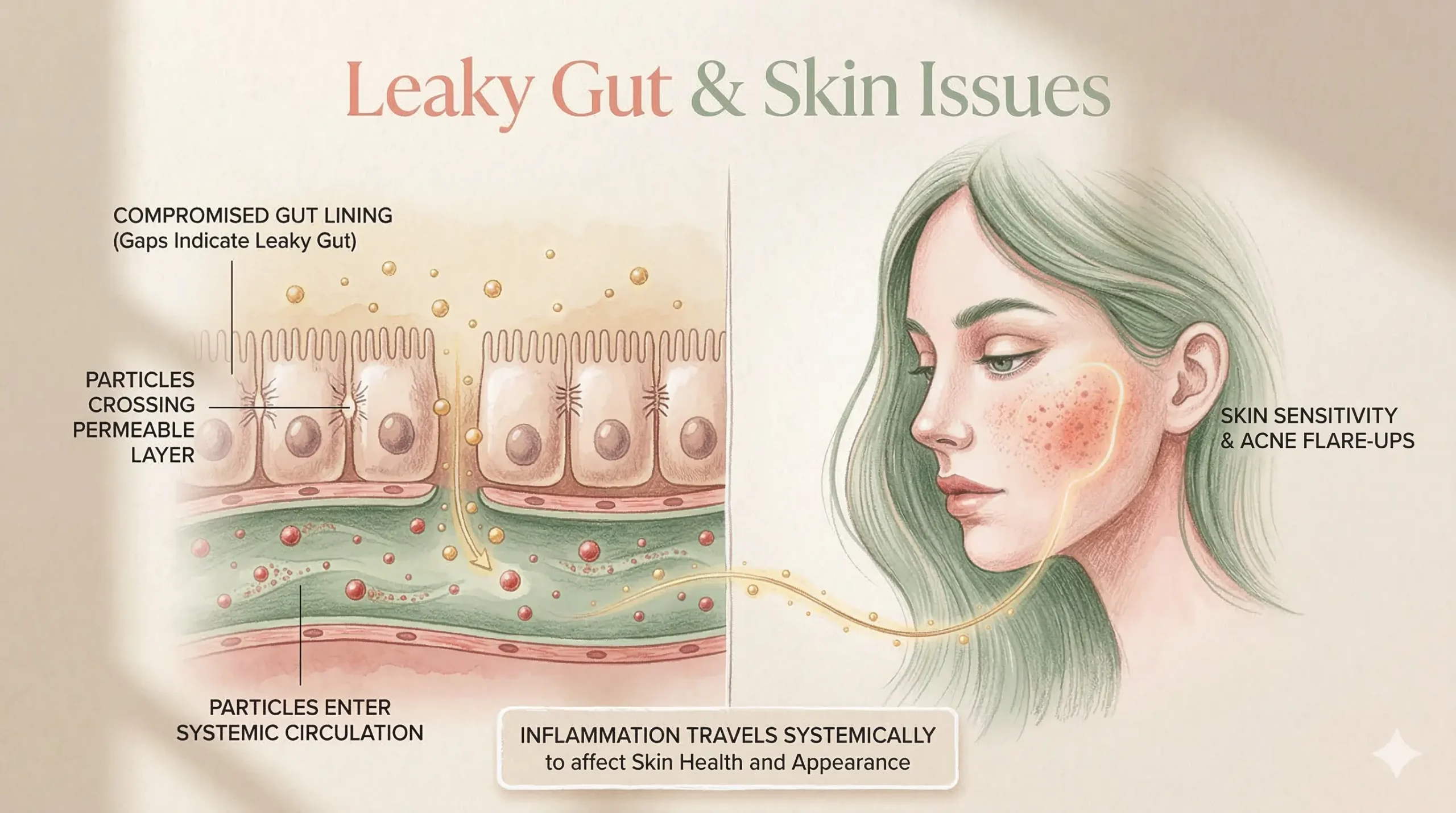
The intestinal lining acts like a protective barrier, allowing nutrients to enter the bloodstream while keeping harmful substances out. When the gut lining becomes damaged, tiny gaps develop between intestinal cells. This condition, commonly known as leaky gut, allows toxins, bacterial fragments, and undigested food particles to enter the bloodstream.
Your immune system recognizes these substances as threats and responds by triggering inflammation. Chronic inflammation is one of the driving forces behind insulin resistance and hormonal imbalance in PCOS.
B. Increased Inflammation
Inflammation isn’t always harmful—it helps the body fight infections and heal injuries. However, in PCOS, many women experience persistent low-grade inflammation.
Gut dysbiosis can stimulate inflammatory chemicals that circulate throughout the body, affecting the ovaries, fat tissue, liver, brain, and hormonal glands. Over time, this inflammation contributes to worsening menstrual irregularities, acne, weight gain, and metabolic dysfunction.
C. Reduced Production of Short-Chain Fatty Acids
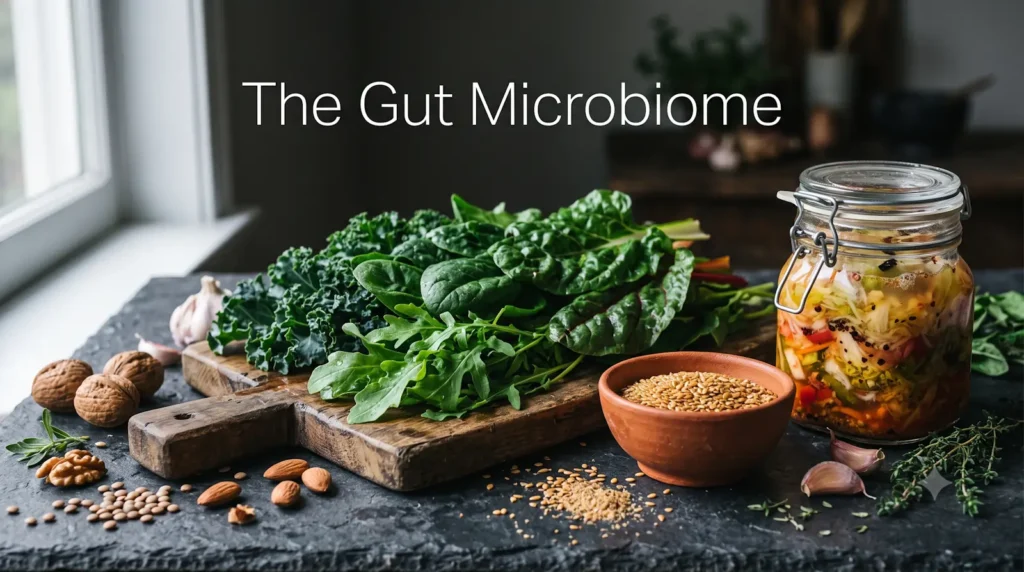
Beneficial gut bacteria ferment dietary fibre to produce compounds called short-chain fatty acids (SCFAs), such as butyrate, acetate, and propionate.
These compounds help reduce inflammation, improve insulin sensitivity, strengthen the gut lining, and support healthy metabolism. Women with poor gut diversity often produce fewer SCFAs, making it harder to maintain hormonal balance.
D. Altered Hormone Regulation
Healthy gut bacteria assist in metabolizing hormones efficiently. When beneficial bacteria decline, the body may struggle to eliminate excess hormones properly, potentially contributing to hormonal imbalances commonly seen in PCOS.
This creates a cycle where poor gut health worsens hormonal imbalance, and hormonal imbalance further affects gut health.
4. The Role of Inflammation, Insulin Resistance, Estrogen Metabolism, and the Gut
To truly understand PCOS, it’s important to recognize that the gut, hormones, and metabolism are deeply interconnected.
Inflammation: The Silent Driver
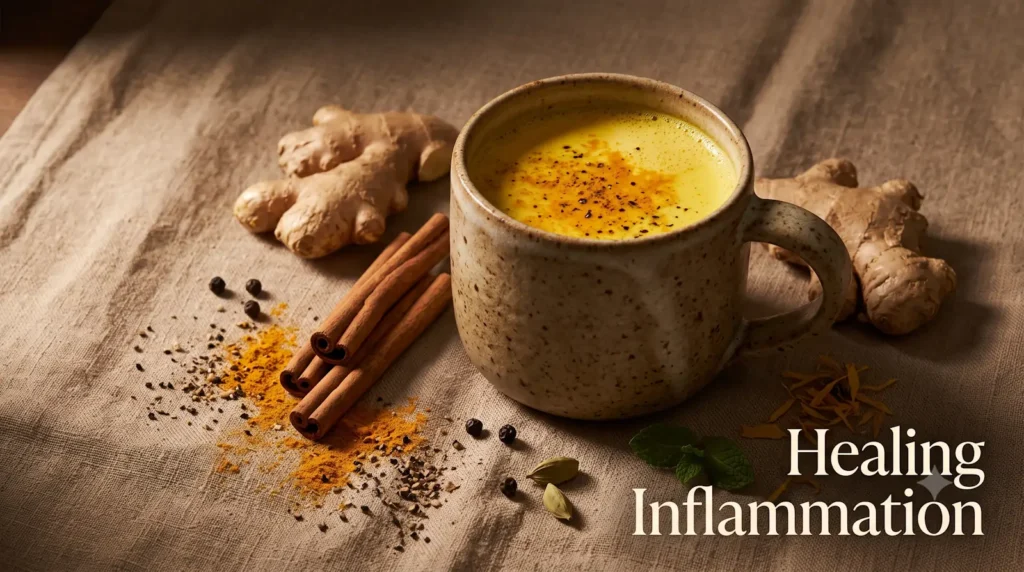
Low-grade chronic inflammation is now considered one of the hallmark features of PCOS. An unhealthy gut can release inflammatory compounds into the bloodstream, putting the immune system on constant alert. This ongoing inflammatory state can interfere with ovarian function, disrupt hormone production, and contribute to symptoms such as acne, fatigue, weight gain, and irregular menstrual cycles.
Insulin Resistance: More Than a Blood Sugar Problem
Approximately 70–80% of women with PCOS have some degree of insulin resistance, even if they are not overweight.
When the body’s cells become less responsive to insulin, the pancreas compensates by producing more. Elevated insulin levels stimulate the ovaries to produce excess androgens (male hormones), which can lead to acne, unwanted facial hair, scalp hair thinning, and irregular ovulation.
Emerging research suggests that gut dysbiosis may worsen insulin resistance by promoting inflammation, altering metabolism, and reducing the production of beneficial short-chain fatty acids.
This creates a vicious cycle: Poor gut health → Inflammation → Insulin resistance → Increased androgen production → Worsening PCOS symptoms.
Comments are closed