

When it comes to PCOS gut healing, understanding the science is only half the journey—the real magic happens when you apply it to your daily life.
In Part 1 of this series, we explored the hidden connection between your gut and Polycystic Ovary Syndrome (PCOS), diving into how inflammation, insulin resistance, and a disrupted microbiome can silently drive your symptoms.
Now, let’s explore the practical side. How exactly does your gut control your hormones? How can you tell if your digestion is secretly worsening your PCOS? And most importantly, what are the exact foods, Ayurvedic practices, and daily lifestyle habits you can start using today to restore your hormonal harmony?
Let’s dive in.
5. The Estrobolome: Your (pcos) Gut’s Hormone Manager
When we think about PCOS, we immediately think of excess androgens (male hormones like testosterone). However, another critical hormone that deserves your attention is estrogen. Although women with PCOS often experience irregular ovulation, estrogen still plays a massive role in maintaining your menstrual cycle, bone health, mood, and overall fertility.
What many women don’t realize is that your gut microbiome directly regulates your estrogen levels.
Within your digestive tract lives a specialized group of beneficial bacteria known as the estrobolome. These microbes produce specific enzymes that help regulate exactly how estrogen is metabolized and eliminated from your body.
A healthy estrobolome ensures that:
- Excess estrogen is broken down efficiently.
- Hormones are recycled only when your body actually needs them.
- Your overall hormonal balance remains stable.
When your gut bacteria become imbalanced (gut dysbiosis), this estrogen metabolism becomes impaired. Instead of being safely eliminated through your intestines, toxic, excess estrogen can be reabsorbed into your bloodstream. This contributes heavily to irregular menstrual cycles, severe PMS, bloating, breast tenderness, mood swings, and difficulty ovulating.
The Liver–Gut Connection
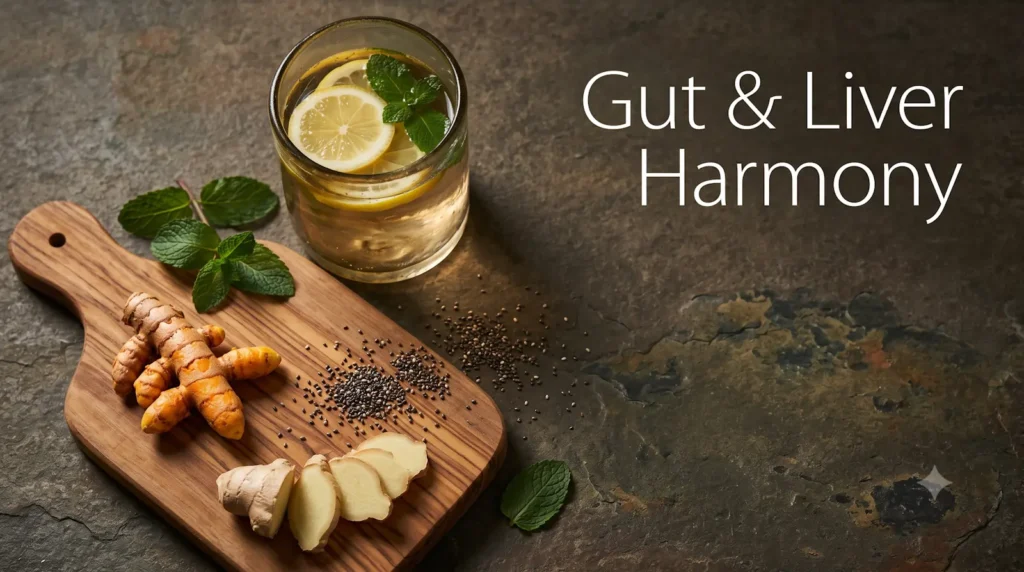
Your liver and your gut work as a team. The liver processes and packages your hormones, while the gut is responsible for eliminating them through bowel movements. If you suffer from constipation or have an unhealthy gut microbiome, this hormone waste cannot leave the body efficiently.
This is exactly why women with PCOS who experience chronic constipation or sluggish digestion almost always notice worsening hormonal symptoms.
6. Signs Your Gut Is Worsening Your PCOS
Your gut will often give you subtle warning signs long before serious health problems develop. Learning to listen to these signals can help you address the root cause of your PCOS rather than just masking the symptoms.
While these symptoms don’t always mean you have severe gut dysbiosis, experiencing several of them together strongly suggests that your digestive health needs attention.
Digestive Warning Signs:
- Bloating immediately after meals
- Excessive gas or acidity (acid reflux)
- Constipation, loose stools, or alternating between the two
- Feeling excessively full, even after a small meal
Hormonal Warning Signs:
- Irregular or completely missed periods
- Severe PMS or highly painful periods
- Stubborn acne or excessively oily skin
- Hair fall or unwanted facial hair (hirsutism)
- Difficulty losing weight despite dieting
- Intense, uncontrollable sugar cravings
Energy & Mood Warning Signs:
- Deep fatigue, even after a full night’s sleep
- Brain fog and difficulty concentrating
- High anxiety and mood swings
Skin & Immune Warning Signs:
- Frequent skin breakouts, eczema, or mysterious rashes
- Developing new food sensitivities
- Falling ill frequently and recovering slowly
7. The Best Foods for PCOS Gut Healing
Food is undeniably one of the most powerful tools you have for improving gut health. A nourishing diet feeds beneficial bacteria, lowers inflammation, and stabilizes your blood sugar—the three pillars of managing PCOS.
1. Fiber-Rich Foods
Fiber is the primary food for your beneficial gut bacteria. When microbes ferment fiber, they produce short-chain fatty acids (SCFAs), which heal the gut lining and drastically reduce inflammation.
- Eat more: Oats, barley, millets, brown rice, quinoa, lentils, chickpeas, leafy greens, broccoli, apples, pears, and berries.
- Tip: Aim for a colorful variety of vegetables daily to feed different strains of bacteria!
2. Prebiotic & Fermented Foods
Prebiotics are the “fertilizer” for your gut, while fermented foods introduce new, healthy bacteria directly into your system.
- Prebiotics: Garlic, onions, asparagus, raw bananas, oats, and flaxseeds.
- Fermented Foods: Homemade curd/yogurt, traditional buttermilk, or fermented vegetables. (Start with very small portions if you are new to fermented foods!)
3. Anti-Inflammatory Healthy Fats
Fats are essential for hormone production and are highly effective at lowering systemic inflammation.
- Eat more: Avocados, walnuts, almonds, pumpkin seeds, chia seeds, extra virgin olive oil, and fatty fish.
4. Spices & Antioxidants
Inflammation is a primary driver of PCOS.
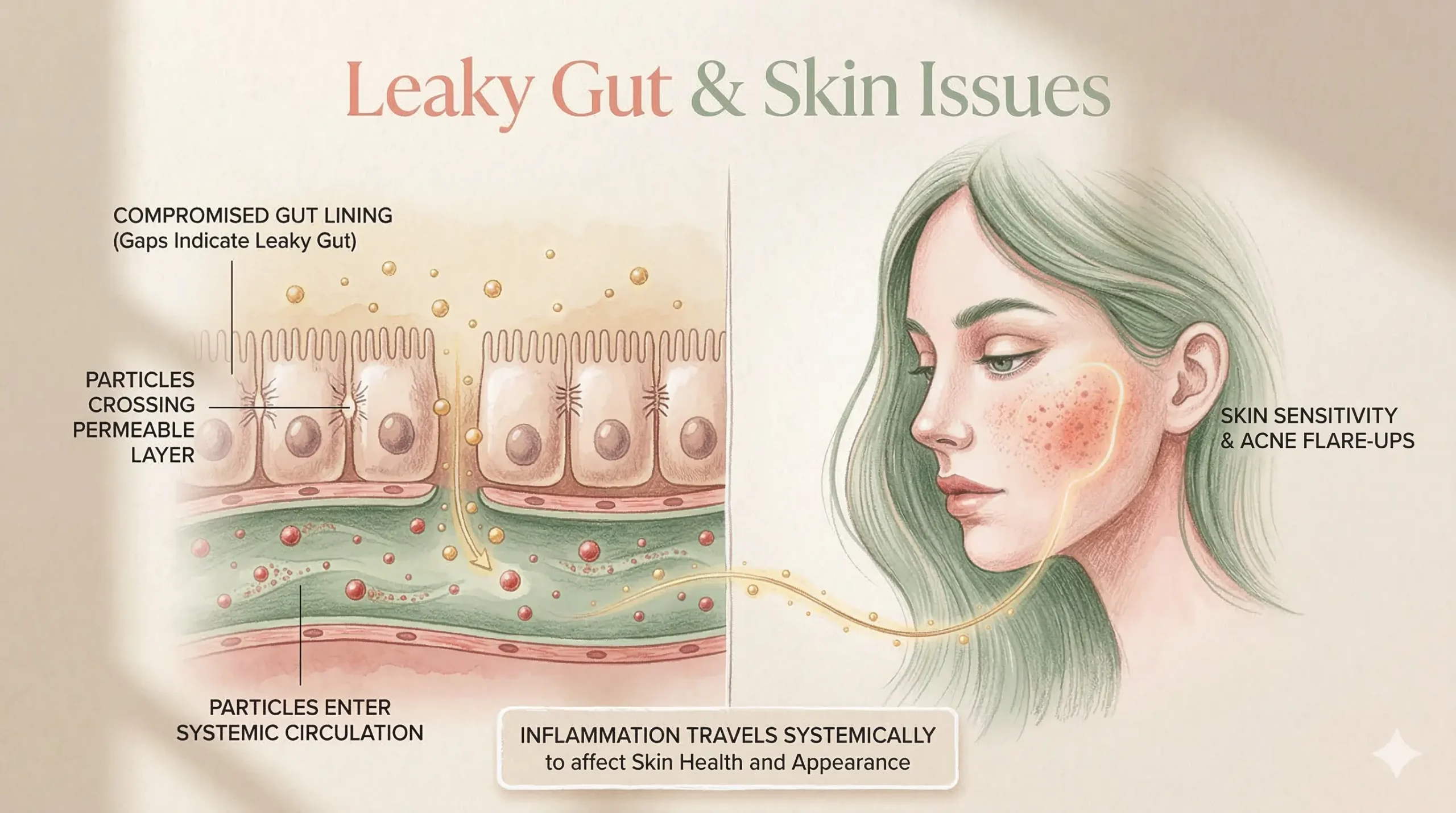
- Include: Turmeric, ginger, cinnamon, green tea, tulsi tea, and fresh herbs. These are packed with antioxidants that protect your cells from oxidative stress.
5. High-Quality Protein
Protein is your best friend for regulating blood sugar and keeping you full, preventing the insulin spikes that trigger PCOS symptoms.
- Eat more: Dal, rajma, chole, moong sprouts, paneer, tofu, eggs, fish, and chicken.
8. Foods to Limit (Without Stressing Out!)
Healing your gut does not require a flawless, restrictive diet. Stressing over perfection is worse for your gut than eating a cookie! Instead, simply focus on limiting foods that trigger inflammation and insulin resistance.
Try to minimize:
- Refined Sugars & Carbs: Soft drinks, candy, pastries, white bread, and highly processed breakfast cereals.
- Ultra-Processed Foods: Chips, instant noodles, and frozen deep-fried foods.
- Excessive Alcohol & Caffeine: These can disrupt the gut microbiome, impair liver function, and worsen anxiety and sleep quality.
- Artificial Sweeteners: Many zero-calorie sweeteners negatively alter the gut microbiome when consumed daily.
9. The Ayurvedic Perspective: Agni, Ama, and Dosha Balance
Long before modern science discovered the gut microbiome, Ayurveda recognized digestion as the absolute foundation of human health. According to Ayurvedic texts, nearly every disease begins with impaired digestion.
Agni (The Digestive Fire)
Agni is your body’s digestive and metabolic power.
- When Agni is strong: Food digests perfectly, nutrients are absorbed, waste is eliminated, and hormones function harmoniously.
- When Agni is weak: Digestion slows down, energy crashes, toxins accumulate, and hormonal imbalances (like PCOS) thrive.
Ama (The Toxic Build-Up)
Ama is the undigested, toxic material that accumulates when your Agni is weak. Symptoms of Ama include bloating, a thick white coating on your tongue, brain fog, joint stiffness, and a sluggish metabolism. From a modern perspective, “Ama” perfectly describes the clinical state of poor digestion, altered gut function, and chronic inflammation.
Dosha Imbalance in PCOS
While PCOS affects every woman differently, Ayurveda views it as a complex imbalance:
- Kapha imbalance leads to a sluggish metabolism, weight gain, and insulin resistance.
- Vata disturbance leads to irregular menstrual cycles, anxiety, and constipation.
- Pitta aggravation contributes to painful cystic acne, inflammation, and irritability.
Because you are completely unique, consulting an Ayurvedic practitioner can help you identify exactly which Dosha needs balancing.
10. A Daily Gut-Healing Routine for PCOS

Healing your gut isn’t about popping a magic pill; it’s about creating simple, sustainable daily habits. Here is a holistic routine to support your digestion and hormones:
🌞 Morning:
- Wake up at a consistent time to regulate your circadian rhythm.
- Drink a warm glass of water (add a pinch of ginger or lemon) to awaken your Agni.
- Spend 10 minutes in morning sunlight.
- Eat a balanced, protein-rich breakfast to stabilize blood sugar for the day.
🕛 Mid-Day:
- Stay hydrated!
- Eat a mindful lunch—fill half your plate with veggies, add protein, and include complex carbs. Do not rush your meal.
- Take a short 10-minute walk after eating to support digestion and blunt insulin spikes.
🌙 Evening:
- Engage in movement you love (brisk walking, yoga, strength training) to improve insulin sensitivity.
- Eat a light dinner at least 2 to 3 hours before going to bed.
- Reduce screen time an hour before sleep to lower cortisol (stress hormones).
- Prioritize 7–9 hours of deep, restful sleep.
Remember: Gut healing is a gentle, gradual process. Rather than looking for overnight fixes, focus on building consistent, nourishing habits. When you heal your gut, your hormones will follow.
Comments are closed