

It usually starts with a quiet signal—a heavy stomach, a mood swing, a sudden craving at 4 PM. We routinely ignore these signs, never stopping to ask what damages gut health behind the scenes. There is a moment most people miss. It isn’t dramatic. It isn’t loud. It isn’t even painful at first. It is just a quiet signal.
A little bloating after meals. A sudden, intense sugar craving at 4 PM. A mood swing that feels entirely unexplainable. A stubborn patch of acne or pigmentation that simply refuses to leave.
And then, life continues. We ignore it. Until one day, the body stops whispering and starts to shout.

The Story Begins: When “Normal” Isn’t Healthy
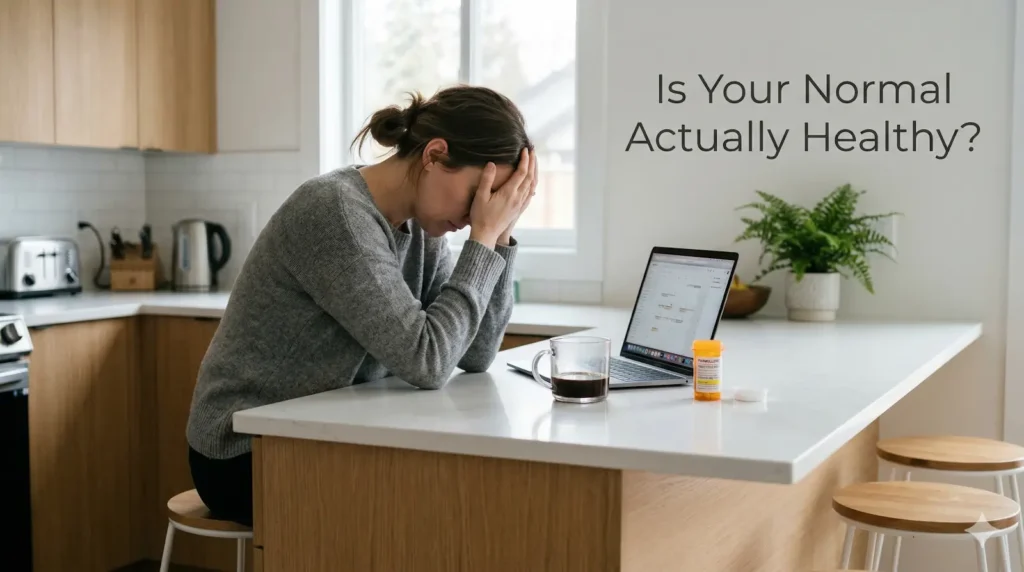
Imagine this: A woman in her mid-30s, balancing her career, her home, and everything in between. She eats “okay,” drinks her morning coffee or chai, skips meals when things get too busy, sleeps late, and pops a painkiller when the tension headaches hit. Nothing extreme. Just normal, modern life.
But slowly, things begin to shift. Her digestion feels constantly heavy. Her energy crashes hard mid-day. Her skin starts reacting, her periods become irregular, and a low-grade anxiety creeps into her daily routine. She tries everything from expensive skincare to trending detox teas, but nothing sticks.
The root problem? Her gut was silently damaged. And the hardest truth to accept is that most of us are unknowingly doing this to ourselves every single day.
Your Gut: Much More Than Just Digestion
Before we dive into what exactly damages the gut, we need to reframe how we see it. Your digestive tract is not just a food-processing system.
It is home to trillions of living bacteria (your gut microbiome). It is the headquarters for 70% of your immune system. It is a master regulator of your hormones, your mood, and your metabolism. Science now refers to it as your “second brain.” When your gut is healthy, everything in your body flows. When your gut is damaged, everything struggles.
Let’s uncover the 8 hidden culprits disrupting your internal ecosystem.
1. Antibiotics: The Silent Microbiome Wipers
There is no denying that antibiotics are life-saving. But here is the reality most people miss: antibiotics do not discriminate. They don’t just kill the bad, illness-causing bacteria; they wipe out your protective, beneficial bacteria, too.
Even a short course of antibiotics can drastically reduce beneficial strains like Lactobacillus, allowing harmful microbes and yeast (like Candida) to overgrow. This weakens the gut lining and spikes systemic inflammation. If you find yourself saying, “I just keep falling sick again and again,” it is likely not a coincidence—it is profound microbiome disruption.
2. Chronic Stress: The Invisible Destroyer
Stress doesn’t just stay in your mind; it travels straight to your stomach. Through the gut-brain axis, your emotional state directly impacts your physical digestion.
When you are constantly overwhelmed, your cortisol (stress hormone) increases, blood flow to your digestive tract drops, and gut motility stalls. Your beneficial bacteria literally begin to die off in a high-stress environment. You can eat the cleanest, most perfect diet in the world, but if your nervous system is trapped in “fight or flight,” your gut cannot heal.
3. Poor Sleep: The Underrated Saboteur
We talk endlessly about diet and exercise, but sleep is often ignored. Your gut bacteria run on a circadian rhythm, just like you do.

Deep sleep regulates the repair of your gut lining and balances your hunger hormones (leptin and ghrelin). When you routinely scroll late into the night and sleep poorly, your microbiome becomes imbalanced, inflammation rises, and your cravings go completely out of control the next day. It creates a vicious cycle: poor sleep leads to a poor gut, which leads to worse sleep.
4. Processed Foods: The Daily Damage We Normalize
This is where it gets uncomfortable, because processed food is everywhere. Packaged snacks, instant meals, bakery items, and fast food are heavily devoid of the fiber your good bacteria need to survive.
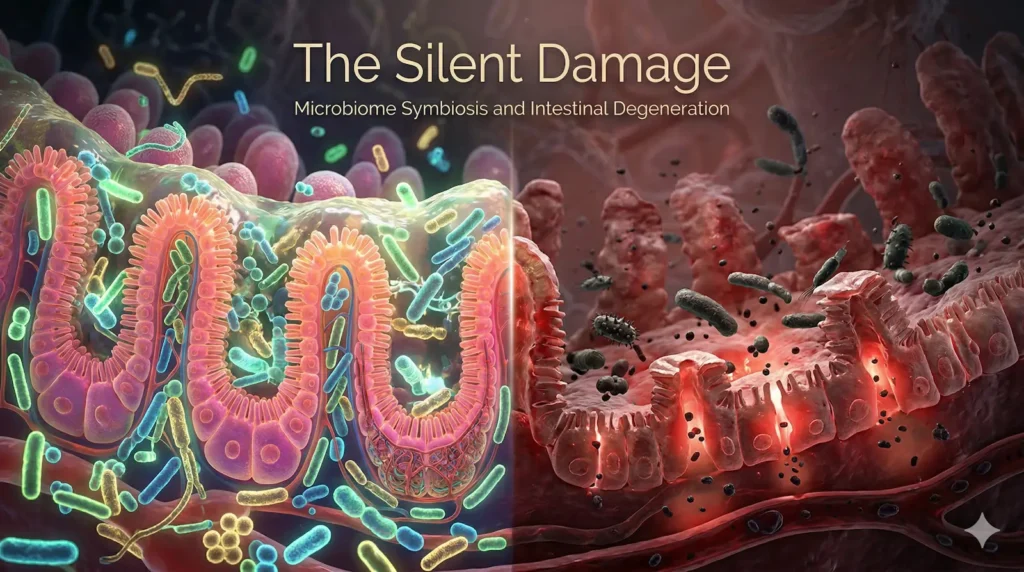
Instead, they are loaded with artificial additives, preservatives, and emulsifiers. Scientific studies show that these specific additives actively disrupt the protective mucus layer of your gut, starving good bacteria and increasing intestinal permeability (leaky gut).
5. Refined Sugar: Feeding the Wrong Crowd
Sugar is not just about weight gain; it is the ultimate driver of microbial imbalance.
When you consume excess refined sugar, bad bacteria and yeast thrive and multiply, crowding out the good microbes. This triggers a domino effect: more sugar creates more bad bacteria, which then manipulate your brain signals to crave even more sugar. When you feel like you “can’t stop” eating sweets, it is often your dysbiotic microbiome doing the demanding.
6. Gluten Sensitivity (Beyond Celiac Disease)
You do not need to have Celiac disease to struggle with gluten. Many people have non-celiac gluten sensitivity acting as a slow, chronic irritant in their bodies.
For sensitive individuals, the proteins in modern, highly processed wheat can trigger inflammation, damage the delicate gut lining, and increase intestinal permeability. If you consistently experience brain fog, severe bloating, or fatigue after a wheat-heavy meal, your body is asking you to pay attention.
7. Excess Caffeine: The Hidden Irritant
Whether it is your morning coffee or multiple cups of chai throughout the day, caffeine is a staple of modern survival. But excess caffeine increases stomach acid, irritates the gut lining, and alters gut motility.
The typical pattern of drinking caffeine on an empty stomach, followed by mid-day and evening top-ups, leads to severe acidity and dependency. What feels like “energy” is often just nervous system stimulation, not true cellular nourishment. Moderation is essential.
8. Frequent Painkillers: The Cost of Quick Relief
Headache? Take a pill. Body aches? Take a pill. Over-the-counter painkillers (NSAIDs like ibuprofen) offer simple, quick relief.
But when used frequently, they are incredibly dangerous to your gut. NSAIDs actively damage the intestinal lining, reduce the protective mucus layer, and significantly increase the risk of ulcers and gut bleeding. Many people rely on these weekly without realizing they are slowly deteriorating the very system designed to keep them healthy.
The Bigger Picture: It’s Never Just One Thing
The truth is, it is rarely just one bad habit. It is the modern combination of it all: Stress + poor sleep + refined sugar + a round of antibiotics + excess caffeine. That is what eventually breaks the system.
How do you know the damage is done? Your body will tell you. Chronic bloating, acidity, irregular bowel movements, adult acne, deep fatigue, and brain fog are not random occurrences. They are messages.
The Turning Point: Healing Begins with Awareness
The good news? Your gut is incredibly resilient. It is entirely possible to heal, but only if you stop damaging it first. You do not need extreme, punishing diets to begin. You just need to start small:

- Reduce What Harms: Cut back on highly processed foods, limit refined sugar, and avoid taking antibiotics for simple viral colds.
- Add What Heals: Introduce fiber-rich vegetables to feed your good bacteria, add natural fermented foods (like homemade curd or buttermilk), and prioritize deep hydration.
- Fix the Lifestyle: Aim to be asleep before 11 PM, find just 10 minutes a day to actively decompress your stress, and respect your caffeine limits.
- Respect Your Body’s Signals: Stop ignoring your symptoms. They are early warnings, not mere inconveniences to push through.
Most people wait. They wait until blood reports show abnormalities, medications become mandatory, or the symptoms become completely unbearable.
But gut damage doesn’t happen overnight, and neither does healing. True healing starts with awareness. It starts with small, daily choices. Your gut is talking to you right now—are you finally ready to listen?
Comments are closed